CPR and BLS Training: Essential Skills for Healthcare
- Shauna Monae Carlson
- 11 hours ago
- 4 min read
In the fast-paced world of healthcare, the ability to respond effectively to emergencies can mean the difference between life and death. Cardiopulmonary resuscitation (CPR) and Basic Life Support (BLS) are two critical skills that every healthcare professional must master. These techniques not only save lives but also provide the necessary support until advanced medical help arrives. This blog post will explore the importance of CPR and BLS training, the skills involved, and how to ensure you are adequately prepared for emergencies.
Understanding CPR and BLS
What is CPR?
Cardiopulmonary resuscitation (CPR) is an emergency procedure performed when the heart stops beating. It involves a combination of chest compressions and rescue breaths to maintain blood flow and oxygenation to vital organs. CPR can significantly increase the chances of survival for individuals experiencing cardiac arrest.
What is BLS?
Basic Life Support (BLS) encompasses a broader range of skills than CPR alone. It includes CPR techniques but also covers the use of an Automated External Defibrillator (AED), airway management, and the recognition of life-threatening conditions. BLS is designed for healthcare providers and first responders, equipping them with the skills needed to stabilize a patient until advanced medical help arrives.
The Importance of CPR and BLS Training
Life-Saving Skills
The primary reason for undergoing CPR and BLS training is the potential to save lives. According to the American Heart Association, immediate CPR can double or triple a victim's chance of survival after cardiac arrest. Knowing how to perform CPR and use an AED can empower healthcare professionals to act swiftly and confidently in emergencies.
Legal and Ethical Responsibilities
Healthcare professionals have a legal and ethical obligation to provide care in emergencies. Being trained in CPR and BLS not only fulfills this duty but also enhances the overall quality of care provided to patients. In many jurisdictions, failure to act in an emergency situation can lead to legal repercussions.
Confidence in Emergency Situations
Training in CPR and BLS builds confidence among healthcare providers. When faced with a critical situation, knowing that you have the skills to respond effectively can reduce anxiety and improve decision-making. This confidence can be the difference between a successful intervention and a missed opportunity to save a life.
Key Components of CPR and BLS Training
CPR Techniques
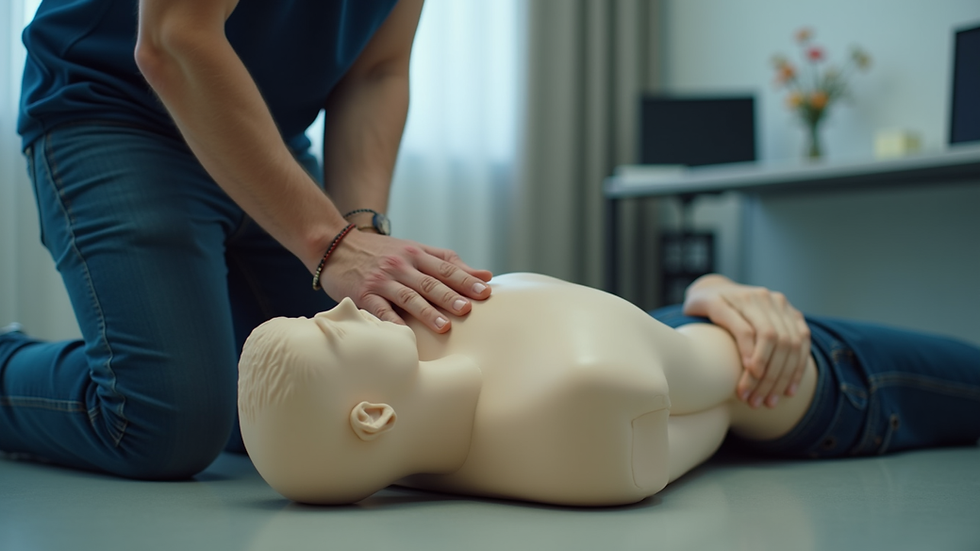
Chest Compressions: The cornerstone of CPR, chest compressions help maintain blood flow to the heart and brain. Proper technique involves:
Positioning the hands in the center of the chest.
Compressing at a depth of at least 2 inches at a rate of 100 to 120 compressions per minute.
Allowing full chest recoil between compressions.
Rescue Breaths: While chest compressions are critical, rescue breaths are also essential for providing oxygen to the lungs. The technique includes:
Ensuring the airway is open by tilting the head back and lifting the chin.
Giving two breaths after every 30 compressions, each lasting about one second.
BLS Techniques
Use of an AED: An Automated External Defibrillator (AED) is a portable device that can analyze the heart's rhythm and deliver an electric shock if necessary. Key steps include:
Turning on the AED and following voice prompts.
Placing the pads on the patient's bare chest as indicated.
Ensuring no one is touching the patient during the shock.
Airway Management: Recognizing and managing airway obstructions is crucial in BLS. Techniques include:
The Heimlich maneuver for conscious choking victims.
Using airway adjuncts for unconscious patients to maintain an open airway.
Recognizing Life-Threatening Conditions: BLS training also emphasizes the importance of identifying conditions such as:
Cardiac arrest
Stroke
Severe allergic reactions (anaphylaxis)
How to Get CPR and BLS Certified
Choose a Reputable Training Provider
Selecting a recognized training provider is essential for quality education. Organizations such as the American Heart Association, Red Cross, and local healthcare institutions offer accredited courses. Look for programs that provide hands-on practice and real-life scenarios.
Course Structure
Most CPR and BLS courses include:
Classroom Instruction: Covering the theoretical aspects of CPR and BLS.
Hands-On Practice: Using mannequins and AED trainers to practice skills.
Assessment: A skills test to ensure competency in performing CPR and using an AED.
Certification and Renewal
Upon successful completion of the course, participants receive a certification valid for two years. It is crucial to renew your certification regularly to stay updated on the latest guidelines and techniques.
The Role of CPR and BLS in Different Healthcare Settings
Hospitals
In hospitals, CPR and BLS training are mandatory for all healthcare staff. The ability to respond quickly to cardiac arrests and other emergencies is vital in a hospital setting where patients are often critically ill.
Clinics and Outpatient Facilities
Healthcare providers in clinics and outpatient facilities also need CPR and BLS training. While the environment may be less acute than in hospitals, emergencies can still occur, and staff must be prepared.
Community Settings
CPR and BLS training are not limited to healthcare professionals. Community members, teachers, and coaches can benefit from these skills. Many organizations offer courses tailored for non-medical personnel, emphasizing the importance of being prepared in everyday situations.
Conclusion
CPR and BLS training are essential skills for anyone involved in healthcare. These techniques not only save lives but also empower professionals to act confidently in emergencies. By understanding the importance of these skills, mastering the techniques, and staying certified, healthcare providers can make a significant impact on patient outcomes.
Take the next step in your professional development by enrolling in a CPR and BLS course today. Your training could be the difference between life and death for someone in need.


Comments